Everest Base Camp: A Journey to the Roof of the World
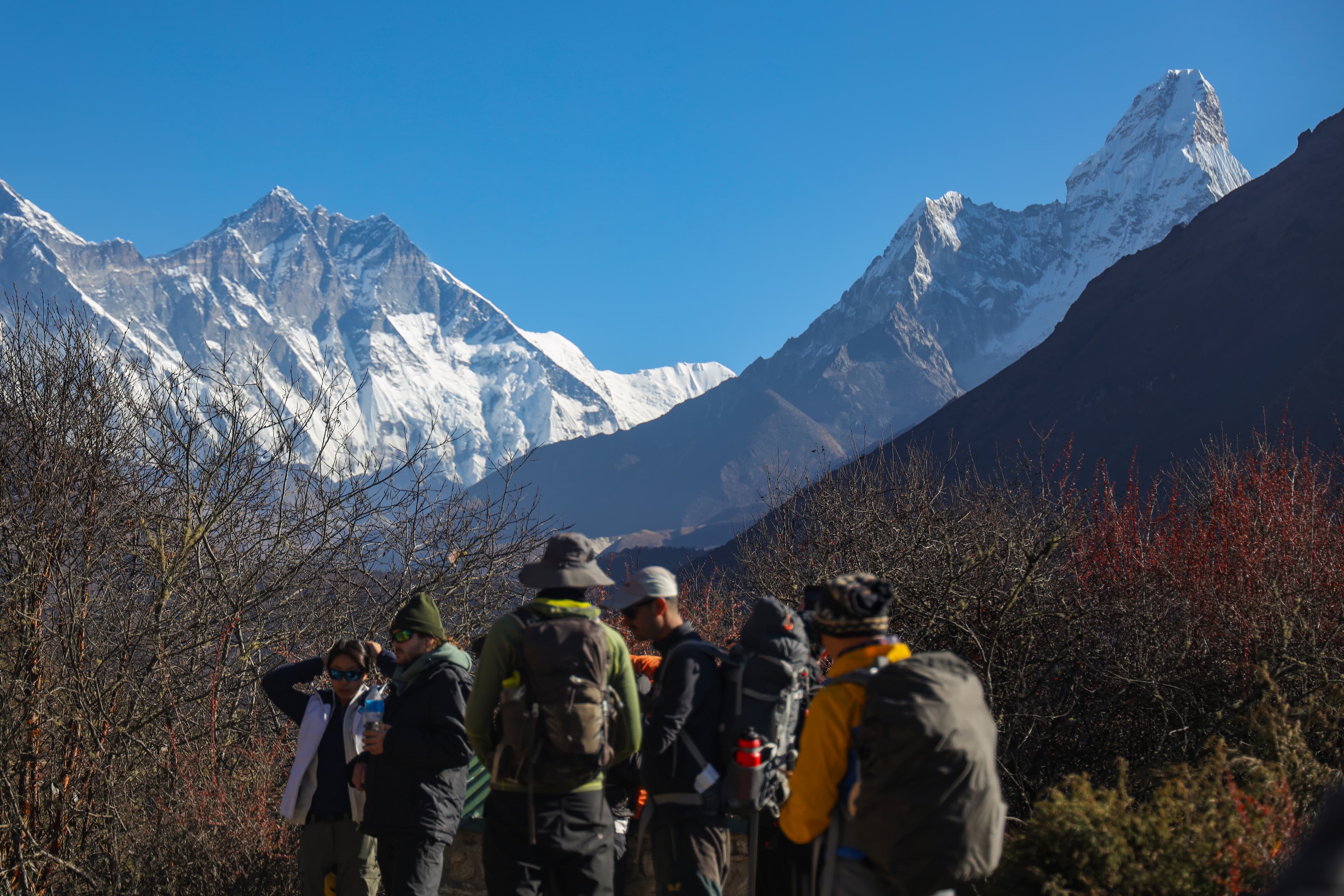
Everest Base Camp (EBC) is a name that echoes in the hearts of adventure enthusiasts and mountaineers alike. For many, it's the ultimate trek — a journey to the base of the tallest mountain on Earth, Mount Everest (8,848.86 meters / 29,031.7 feet). Whether you're an experienced trekker or a first-time adventurer, the experience of walking through the Khumbu Valley and up to Everest Base Campis one that stays with you for a lifetime. This blog explores the allure of Everest Base Camp, the challenges of the trek, and why it should be on every traveler’s bucket list.
The Magic of the Everest Region
The Everest region, also known as the Khumbu region, is one of the most picturesque areas in the world. Nestled in the northeastern part of Nepal, it is a land of dramatic landscapes, towering peaks, and a rich cultural heritage. The trek to Everest Base Camp takes you through Sherpa villages, alpine forests, and high-altitude meadows, all while offering jaw-dropping views of some of the world’s highest peaks, including Everest itself, Lhotse, Nuptse, and Ama Dablam.
The journey to EBC is not just a physical challenge; it’s a spiritual one too. You’ll walk past ancient monasteries, prayer flags fluttering in the wind, and get a chance to meet the resilient Sherpa people, who call this region home. The trek has become more than just an outdoor challenge — it’s a pilgrimage of sorts for those seeking to stand at the foot of the world’s most legendary mountain.
The Everest Base Camp Trek: A Journey in Stages
The typical Everest Base Camp trek takes around 12-14 days, starting from the bustling city of Kathmandu and culminating at the base camp itself. Here’s a breakdown of the journey:
1. Arrival in Kathmandu Your adventure begins in Kathmandu, Nepal’s vibrant capital. Before heading to the mountains, you'll spend a day or two exploring this cultural hub, visiting sites like Swayambhunath (the Monkey Temple) and Boudhanath Stupa, and preparing for the trek.
2. Lukla to Phakding From Kathmandu, you’ll fly to Lukla, the gateway to the Everest region. The short, thrilling flight lands at one of the world’s most dangerous airports. From Lukla, you’ll start your trek to Phakding, a small village situated along the Dudh Koshi River. The walk is relatively easy, offering your first glimpses of the surrounding peaks.
3. Phakding to Namche Bazaar The trek continues to Namche Bazaar, a Sherpa town that serves as the commercial hub of the Khumbu region. As you gain altitude, the landscape shifts, and the air becomes thinner. Namche is an excellent place for acclimatization, where you can take a rest day to explore the area, visit the local monastery, and take in panoramic views of Everest and its surrounding peaks.
4. Namche Bazaar to Tengboche From Namche, the trail heads towards Tengboche, home to one of the most famous Buddhist monasteries in the region. The views of Everest, Ama Dablam, and Lhotse from here are breathtaking. The trek is a mix of gradual ascents and descents, allowing you to adjust to the altitude as you approach higher ground.
5. Tengboche to Dingboche The trail continues to Dingboche, another beautiful village known for its stone-walled fields and incredible views. This is the second acclimatization stop where trekkers often take a rest day to help their bodies adjust to the altitude. The rugged beauty of the Himalayas is unmatched, and here, you’ll feel as though you’re walking in a postcard.
6. Dingboche to Lobuche As you approach higher altitudes, the landscape becomes more barren and stark. The village of Lobuche is the last major settlement before Everest Base Camp. Here, you’ll find a few teahouses to rest and prepare for the final push to EBC. The cold air and thin atmosphere become more pronounced as you continue your ascent.
7. Lobuche to Gorak Shep and Everest Base Camp The final stretch takes you from Lobuche to Gorak Shep, the last stop before reaching Everest Base Camp. From Gorak Shep, it’s a 3-4 hour trek to EBC, where you'll be surrounded by towering glaciers and the magnificent Khumbu Icefall. Standing at Base Camp itself is an emotional experience — the realization that you’ve made it to the base of the world’s highest peak is a moment of immense pride and achievement.
The Challenges of the Everest Base Camp Trek
While the EBC trek is considered a non-technical hike, it’s not without its challenges. Here are a few things to keep in mind:
1. Altitude Sickness The higher you go, the thinner the air becomes, which can lead to altitude sickness. Symptoms include headaches, dizziness, nausea, and fatigue. To mitigate this, it’s crucial to take your time, follow an acclimatization schedule, and stay well-hydrated. If symptoms worsen, descending is the best solution.
2. Weather The weather in the Everest region is unpredictable. While the trek is most commonly done in spring (March to May) and autumn (September to November), even then, temperatures can plummet, especially at night. Snowfall and strong winds are common, so proper clothing and gear are essential.
3. Physical Endurance The trek involves long days of hiking, often over rocky, uneven terrain. The altitude can make even short hikes feel strenuous. While prior experience in trekking is helpful, anyone with good physical fitness can complete the trek — as long as they take it slow and steady.
Why You Should Trek to Everest Base Camp
The Views: The vistas on the Everest Base Camp trek are unparalleled. From the majestic Mount Everest to the dramatic ridgelines and glaciers, every step offers another breathtaking view. The sense of awe that comes with seeing these natural wonders up close is indescribable.
The Challenge: Trekking to Everest Base Camp is not easy, but that’s what makes it so rewarding. Reaching Base Camp is a personal achievement, and the sense of accomplishment you feel when you stand at the foot of Everest is immense.
The Culture: The Everest region is home to the Sherpa people, who have a unique culture, deep Buddhist traditions, and a resilience that is inspiring. The trek gives you the opportunity to learn about their way of life, visit ancient monasteries, and interact with the locals.
A Bucket List Experience: For many people, the Everest Base Camp trek is a once-in-a-lifetime experience. It offers a chance to test your physical limits, connect with nature, and achieve something truly extraordinary.
Final Thoughts
The Everest Base Camp trek is more than just a hike — it’s an adventure that takes you through some of the most beautiful and rugged terrain in the world. It offers a chance to experience the breathtaking beauty of the Himalayas, challenge yourself both physically and mentally, and immerse yourself in the rich culture of the Sherpa people. Whether you're an experienced mountaineer or a first-time trekker, EBC is a journey you’ll never forget.