Langtang Trek Tips and Guidance
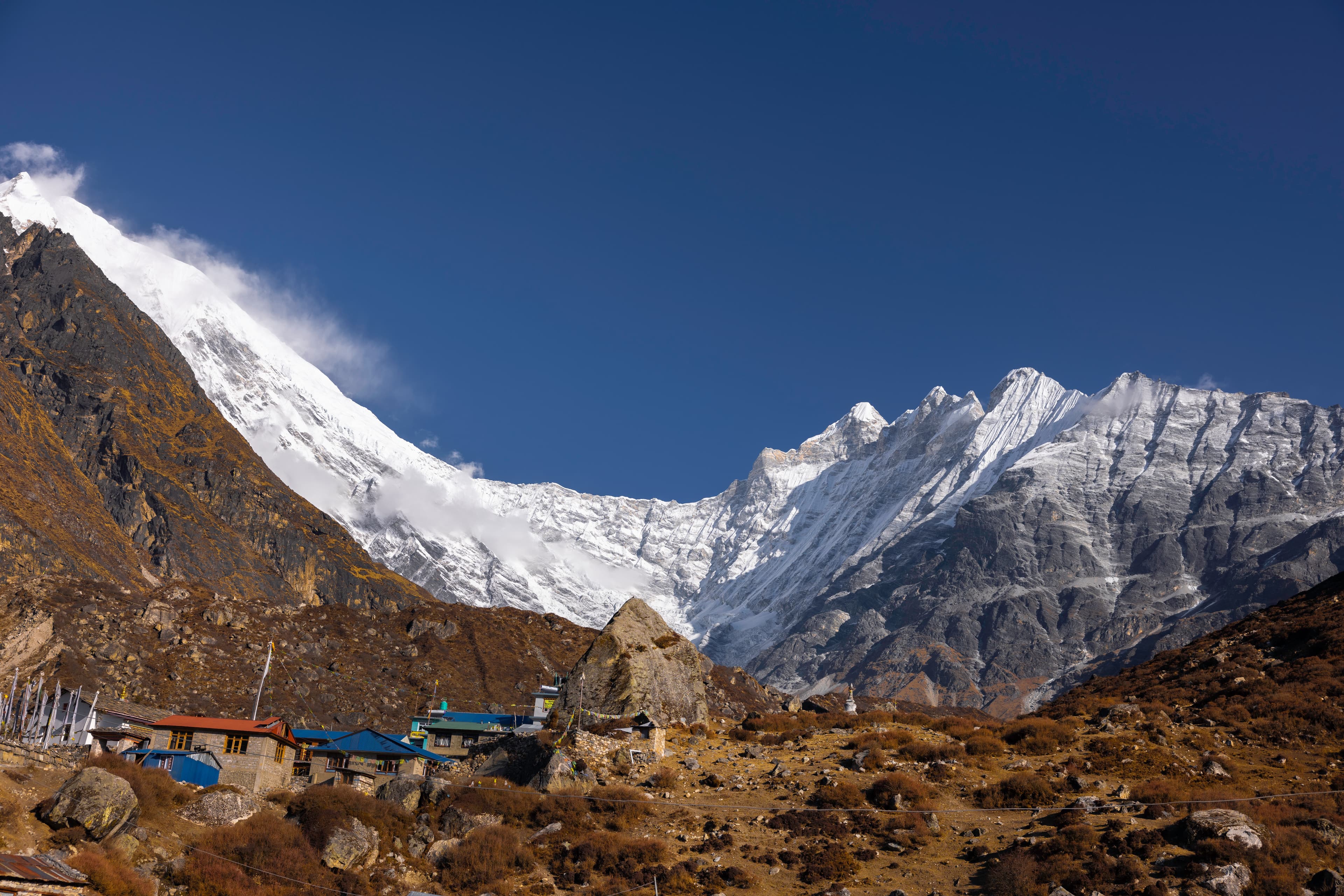
Langtang Trek for Solo Travelers
First of all, solo travel on the Langtang Trek needs detailed planning and awareness. Beginning from Syabrubesi (1,503m) and ending at Kyanjin Gompa (3,870m), which also offers additional hikes to Tsergo Ri (4,984m) and Yala Peak (5,500m), requires independent trekkers to think of security, places of dwelling, and altitude acclimatization.
It is also a good idea to hire a local guide. Guides offer services that include trail navigation, insights into the culture, and help during emergencies. Solo trekkers are benefitted with a guide's knowledge over routes, river crossings, and weather conditions. A daily guide costs from USD 25–30, while porters cost USD 15–20 for luggage support.
Accommodation planning accordingly is important. Tea houses in Bamboo (1,930m), Lama Hotel (2,470m), Langtang Village (3,430m), and Kyanjin Gompa (3,870m) ensure safe lodging. Solo travelers should inform the hosts of arrival and confirm room availability, especially during peak seasons. Tea house rooms may be shared for increasing safety and interactions.
Moreover, communication should not be lost. Mobile networks are restricted above 3,500m, but intermittent coverage is available at Syabrubesi and Lama Hotel. Satellite phones or portable Wi-Fi devices provide further security. Trekkers should be able to share an itinerary with family or friends before their departure.
Similarly, keeping oneself fit and maintaining a good tempo will help in safe solo trekking. Thus, walking 3 to 5 hours each day and having frequent breaks will enable one to get acclimatized in a gradual manner. Carrying sufficient water, energy snacks, and a first aid kit will prepare one for minor emergencies. One should be aware of altitude sickness and acclimatize properly.
Besides, solo trekking allows flexibility and personal experiences. Individuals can set up their own pace, stops for photography, and optional hikes. However, respect for culture, wildlife, and environmental regulations cannot be compromised. Solo travelers are not supposed to take short cuts that are risky or unmarked trails.
Early starts, awareness of changes in weather, and not trekking after dark are some safety strategies. Guides or tea house personnel assist in case of illness or injury. Trekkers are advised to make contingency plans for helicopter evacuation/emergency transport.
Finally, Langtang Trek solo travel can be rewarding and safe with preparation. It would include hiring guides, planning accommodations, carrying essential gear, and monitoring one's fitness to allow independent trekking. Respect to the culture and natural environment would enhance the experience. Solo trekkers can, thus, enjoy the panoramic Himalayan landscapes, cultural immersions, and adventure safely on the Langtang Trek.
Langtang Trek for Families
A Langtang Trek can be suitable for families if appropriately planned. This trek starts at Syabrubesi (1,503m) and goes to Kyanjin Gompa (3,870m), passing through Bamboo (1,930m), Lama Hotel (2,470m), and Langtang Village (3,430m). Hence, while planning, families should take age, fitness, and health conditions into consideration.
Moreover, daily trek distances must also be reasonable. Walking 3-5 hours each day allows children and elderly family members to acclimatize safely. Rest stops are provided through Bamboo, Lama Hotel, and Langtang Village, where trekkers can eat, drink, and rest. Gradual elevation gain supports safe altitude adaptation.
Therefore, accommodation needs to be family-friendly. The tea houses and lodges offer twin or triple bed rooms. Kyanjin Gompa (3,870m) provides basic and comfortable lodging. Families need to book rooms in advance in spring and autumn during peak seasons. Sharing meals in tea houses is also convenient and allows cultural interaction.
Besides, planning the food is relevant in terms of family nutrition. Dal bhat, noodles, momos, and soups would give them energy and keep them warm. Children may prefer noodles, eggs, or steamed momos. End
Equally important are safety and health precautions. Children are more susceptible to altitude sickness, cold, or fatigue. Parents should watch out for symptoms, carry medications, and schedule acclimatization days at Langtang Village or Kyanjin Gompa. Guides and tea house staff can assist in case of emergency situations.
Added to this, many activities enrich the family experience. Small hikes to Tsergo Ri (4,984m) or nearby viewpoints permit children to see scenic panoramas without overexertion. Other ways to improve learning opportunities include looking at the wildlife, cultural interaction with Tamang communities, and taking pictures.
Additionally, transportation to Syabrubesi is family-friendly: private cars or jeeps provide comfort and flexibility, while public buses are much cheaper. Helicopter service is available in emergencies or when time is short. The proper planning of the route ensures safe and comfortable travel for all family members.
Finally, Langtang Trek is a family-friendly enriching experience due to manageable trek distances, beautiful sceneries, and cultural exposure. Families can have a memorable Himalayan adventure if acclimatization is done gradually with the provision of appropriate accommodations, food, and safety measures. Hence, proper planning allows parents and children to venture into the Langtang Valley safely and comfortably.
Langtang Trek for Beginners
First, the Langtang Trek is a perfect Himalayan experience for first-time trekkers. From Syabrubesi (1,503m) to Kyanjin Gompa (3,870m), day hikes can be extended toward Kyanjin Ri (4,773m) or Tsergo Ri (4,984m). Beginners find this trip suitable because of the moderate distance covered per day and the intensity of the rise.
Besides, trekking 4–6 hours a day keeps the pace manageable. The lower trails from Syabrubesi to Bamboo (1,930m) and Lama Hotel (2,470m) provide soft ascents. The upper sections towards Langtang Village at 3,430m and Kyanjin Gompa at 3,870m are on rocky paths with moderate inclines. Gradual progression helps in safe acclimatization. Finally, tea house accommodation simplifies logistics. There are rooms, meals, and rest facilities available at Bamboo, Lama Hotel, Langtang Village, and Kyanjin Gompa. Hot showers are available at some places, and blankets will keep people warm on cold nights. Spring and autumn are the best seasons, and rooms should be booked in advance. Furthermore, it's highly advisable to hire a guide for novice tourists. Guides offer trail navigation, cultural insights, safety monitoring, and altitude management assistance. They are either hired for a daily rate of between USD 25–30, or porters' services for USD 15–20 per day.Sharing services with other trekkers reduces individual expenses. Similarly, important equipment supports comfort and safety. The right shoes for trekking, several layers of garments, sleeping bags, trekking poles, and other accessories like sunglasses, sunscreen, and water bottles make a newbie ready for any condition. Enough water, energetic snacks, and first-aid kits improve the experience of trekking. Also, some optional hikes, such as Kyanjin Ri or Tsergo Ri, offer panoramic views and are not that strenuous. Beginners can choose shorter excursions based on fitness and acclimatization. Observing Himalayan peaks such as Langtang Lirung-7,227m and Yala Peak-5,500m offers motivation and stunning photography opportunities. Furthermore, success in trekking depends on seasonal and weather planning. During spring-March to May, and autumn-September to November, there are clear skies with moderate temperature and good trail conditions. Monsoon and winter bring rain, snow, and icy routes, which may be less ideal for beginners. Last but not least, Langtang Trek is safe and rewarding for first-timers. Its moderate difficulty, supporting tea house network, gradual ascent in elevation, and optional guided hikes are ideal for an introduction to Himalayan trekking. With preparation, fitness, and proper planning, first-time trekkers can enjoy scenic landscapes, immerse themselves in the culture, and create memorable adventures in Langtang Valley.
Langtang Trek Best Time to Visit
First, choosing the best time to visit Langtang Trek enhances safety, visibility, and overall experience. The valley goes from Syabrubesi (1,503m) to Kyanjin Gompa (3,870m), which has a few peaks such as Kyanjin Ri at 4,773 meters and Tsergo Ri at 4,984 meters. Consequently, seasonality affects trail conditions, accommodation, and scenic views.
Spring is also highly recommended, from March to May. During that period, temperatures vary from 5°C to 20°C at lower altitudes, while the higher altitude sections are considerably cool. Rhododendrons bloom brightly, covering the forested areas near Lama Hotel at 2,470 meters and Langtang Village at 3,430 meters. The clear skies and mild weather make photography and trekking more comfortable.
Then follows autumn, with its clear weather and fine views, which lasts from September to November. The recently cleared monsoon rains leave a crisp air and panoramic views of Langtang Lirung-7,227m, Langtang Ri-7,205m, and Yala Peak-5,500m. Daily temperatures for trekking at mid-altitude are around 8°C–18°C, cooler at higher altitudes.
Most people avoid this time, and it is not recommended because, during monsoon season, June to August, heavy rainfall makes trails slippery, creating landslide issues and increasing the flow in Langtang Khola. The dense cloud obscures Himalayan views, and accommodation facilities might be disrupted as it disrupts the trail.
Similarly, winter (December–February) provides small crowds and snowscapes, but very cold temperature, icy pathways, and snow accumulation at Langtang Village (3,430m) and Kyanjin Gompa (3,870m) make it difficult to trek. Proper preparations and winter equipment are needed in case you choose this season.
High-altitude acclimatization also benefits from moderate temperatures in spring and autumn. Overnight stops at Bamboo, 1,930m; Lama Hotel, 2,470m; and Langtang Village, 3,430m ensure that the ascent is made gradually, greatly reducing risks of developing altitude sickness. Optional ascents to Kyanjin Ri or Tsergo Ri will be safer in these seasons.
Besides, it's during these seasons that cultural experiences are greatly improved. Festivals, local markets, and traditional Tamang ceremonies become more accessible. Fully operating tea houses serve meals, accommodation facilities, and warm hospitality. Travelers enjoy vibrant cultural immersion, topped off by scenic trekking.
Picking the best time guarantees safety, comfort, and unforgettable trekking. Spring and autumn boast of fine weather, blooming flora, visible mountain scenery, and open tea houses. Thus, a planned Langtang Trek in these periods assures full scenic, cultural, and trekking experiences in the Himalayas.
Langtang Trek Wildlife and Flora
First, Langtang Trek offers rich biodiversity and unique Himalayan flora and fauna. It also stretches from Syabrubesi (1,503m) to Kyanjin Gompa (3,870m), passing by the forests, rivers, and alpine meadows. Thus, trekkers can have sightings of wild animals and different flora species in their natural habitats during exploration across the valley.
Furthermore, the trek passes through thick pine, oak, and rhododendron forests. In spring, from March to May, the blooms of rhododendron show bright red, pink, and white colors near Lama Hotel (2,470m) and Langtang Village (3,430m). The wildflowers of gentians and primulas are also seen in the alpine meadows near Kyanjin Gompa (3,870m).
Subsequently, wildlife sightings include red pandas, Himalayan tahr, and langur monkeys. Red pandas reside in higher forested areas, and are rarely but occasionally seen at either early mornings or late evenings. The more frequent sights are those of langurs and Himalayan tahr, grazing by the trails or resting on cliffs.
Additionally, Himalayan birds make trekking activities more rewarding. Some species like monals, Himalayan griffons, and snow pigeons can be spotted along the entire route of the trek. Birdwatchers can click photos and may observe seasonal migrations.
Similarly, amphibians and aquatic life depend on streams, waterfalls, and riverbanks. Langtang Khola offers habitats to local fish species, while wetlands near higher altitudes host migratory birds. Observation of such diverse ecosystems adds educational and ecological value to trekking.
In addition, cultural preservation complements wildlife conservation. Local Tamang communities work in forest conservation and sustainable grazing practices that help maintain habitat integrity. Langtang National Park provides a legal haven for species and ecosystems, while entry permits support the conservation effort.
Besides, trekkers must respect the ethical treatment of wildlife and flora: do not feed the animals, disturb their habitats, or collect any plants. Proper waste management and responsible trekking minimize environmental impact and preserve biodiversity for future visitors.
Finally, Langtang Trek presents an immersive encounter with Himalayan wildlife and flora. The trekking is enriched with forests, alpine meadows, rare animals, and flowering plants. The sightings of red pandas, langurs, Himalayan tahr, and rhododendrons bring forth memory and knowledge-filled journeys. Hence, for nature enthusiasts, Langtang Trek is a rewarding Himalayan adventure, rich in biodiversity.
Langtang Trek Emergency and Safety Tips
First of all, safety and preparedness for contingencies are the most important considerations for Langtang Trek. The trail goes from Syabrubesi (1,503m) to Kyanjin Gompa (3,870m), with non-obligatory hikes to Tsergo Ri (4,984m) and Yala Peak (5,500m). Thus, altitude, weather, health, and trail risks have to be considered by trekkers.
Besides, one needs to take precautionary measures against altitude sickness. Gradual ascents with overnight stops at Bamboo 1,930m, Lama Hotel 2,470m, and Langtang Village 3,430m support acclimatization. Symptoms like headache, nausea, or dizziness require immediate rest, hydration, and descending in case of severity. Guides monitor trekkers for early signs.
In turn, weather awareness improves safety. Monsoon rains (June–August) cause slippery trails and landslides, and winter, from December up to February, introduces snow and ice. Checking forecasts, carrying waterproof clothes, and planning contingencies will reduce risk at times of adverse weather. Moreover, communication is key. Above 3,500m, mobile networks are limited; however, the villages of Syabrubesi, Bamboo, and Lama Hotel do have intermittent coverage. For emergency contacts, one can rely on satellite phones or portable Wi-Fi devices. It is always advisable to let family or guides know your itinerary and arrival time to ensure timely assistance should the need arise. Similarly, proper equipment minimizes accidents. Trekking poles, strong shoes, clothes worn in layers, a first-aid kit, and headlamps add to safety. Hiking with a partner or guide facilitates trail navigation and the handling of emergencies. Water purification tablets and extra food are carried for contingency in case of delays. Aside from these, rescue procedures include local guides, tea house staff, and helicopter evacuation in case of emergencies. Langtang National Park authorities organize rescue operations when needed. Trekking insurance that covers medical emergency evacuation to high altitude is highly recommended. Besides, ethical and responsible trekking ensures safety. Avoid risky shortcuts, unmarked trails, or trekking after dark. Follow local advice, stick to marked trails, and be aware of river crossings, suspension bridges, and glacial areas. Finally, Langtang Trek emergency and safety preparedness is vital in terms of ensuring a safe Himalayan experience. The slow pace of acclimatization, awareness of the weather, communication equipment, proper gear, and knowledge of rescue procedures ensure that all threats associated with risks are considerably reduced. By following these tips, the trekkers get to enjoy scenic landscapes, cultural interaction, and mountain adventure with safety. Thus, safety planning forms a necessary part of the Langtang Valley Trek preparations.