Solo Trekking in Nepal’s Restricted Zones? It’s Finally Happening!
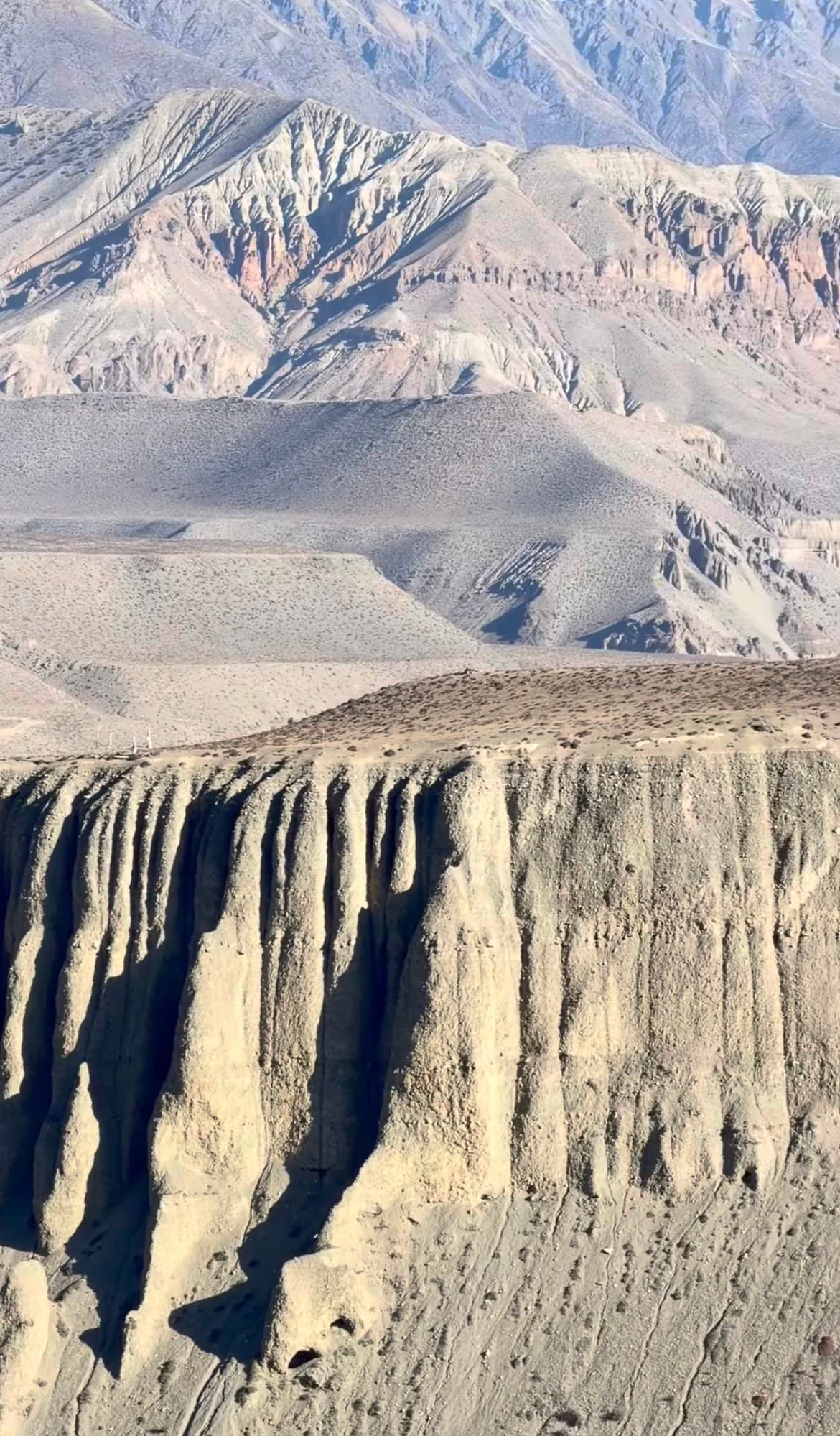
If you’ve ever dreamed of trekking through Nepal’s most remote and mystical corners—think Upper Mustang, Dolpo, or Manaslu—you’ll know that the "Restricted Area Permit" (RAP) has always been a bit of a headache. Between the strict "group of two" rule and the mountain of paperwork, many solo adventurers ended up crossing these bucket-list spots off their maps.
But hold onto your trekking poles, because the Department of Immigration just dropped a game-changer. As of March 2026, the rules are getting a major refresh to make the Himalayas more accessible than ever.
The End of the "Trekking Partner" Hunt
The biggest news? Individual permits are now a reality. Previously, you were legally required to have at least two people in your group to get a permit for restricted areas. This often led to "ghost partners" or solo travelers desperately searching for a stranger to join their permit application.
Now, the Department has officially opened the door for solo trekkers. Whether you’re seeking total solitude or just don't want to wait for a friend to save up, you can now get a permit all on your own.
Small Groups, Better Safety
While they’ve opened the door for individuals, they’ve put a cap on the big crowds. New regulations now limit trekking groups to a maximum of seven people.
Why the cap? It’s all about safety and quality. By keeping groups small, it’s easier for your guide to keep everyone safe, monitor the environmental impact, and ensure that everyone gets back down the mountain in one piece.
You Still Need a Pro
Before you start packing your bags to go totally rogue—wait! The "Restricted" in the Restricted Area still carries weight. You are still required to:
Hire a licensed guide: You cannot wander into these zones without a certified professional.
Go through an agency: Permits must still be processed by a registered Nepali trekking agency.
Think of it as "supported soloing." You get the independence of your own itinerary, but with the safety net of a local expert who handles the logistics and emergency protocols.
Apply from Your Couch
Perhaps the most "21st-century" update is the shift to a fully digital permit system. In the past, you usually had to be physically in Kathmandu with a visa in your passport to finish the permit process.
Now, you can apply using your visa application number from home. This means you can have your restricted area permits sorted before you even board your flight to Kathmandu. No more wasting three days in the city waiting for government offices to open!
The Bottom Line
Nepal is evolving. By embracing solo travelers and digitizing the bureaucracy, the "Land of the Himalayas" is making it clearer than ever: the mountains are calling, and now, it’s a lot easier to answer.