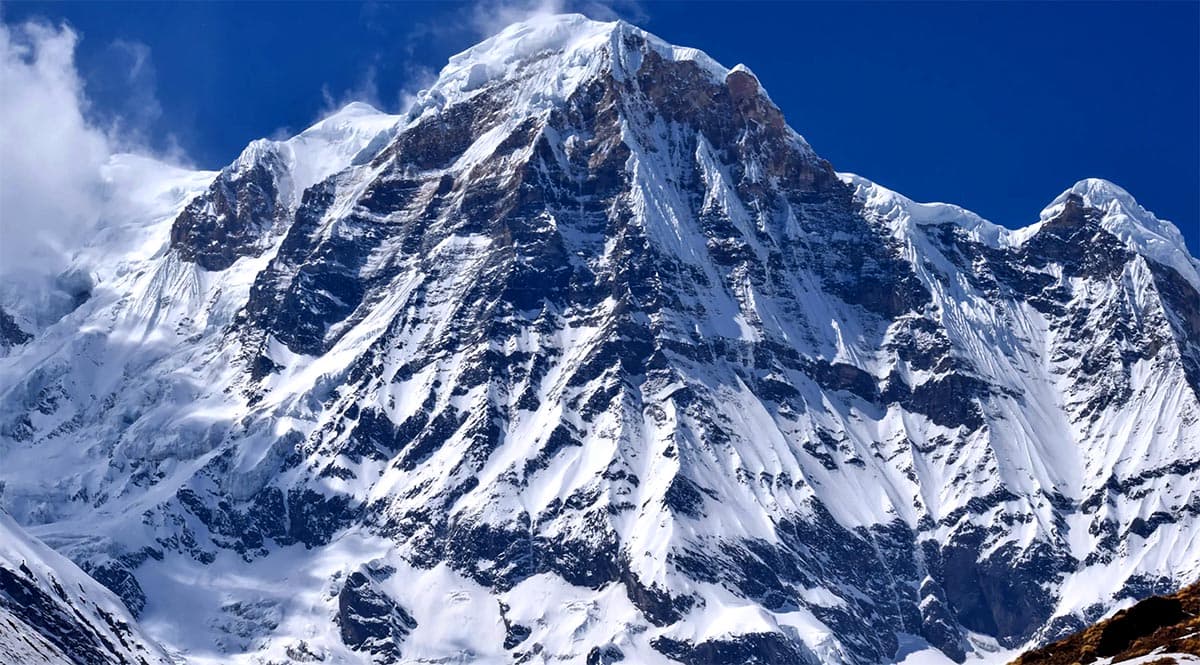
Discover Nepal: A Province-by-Province Guide to Unforgettable Attractions
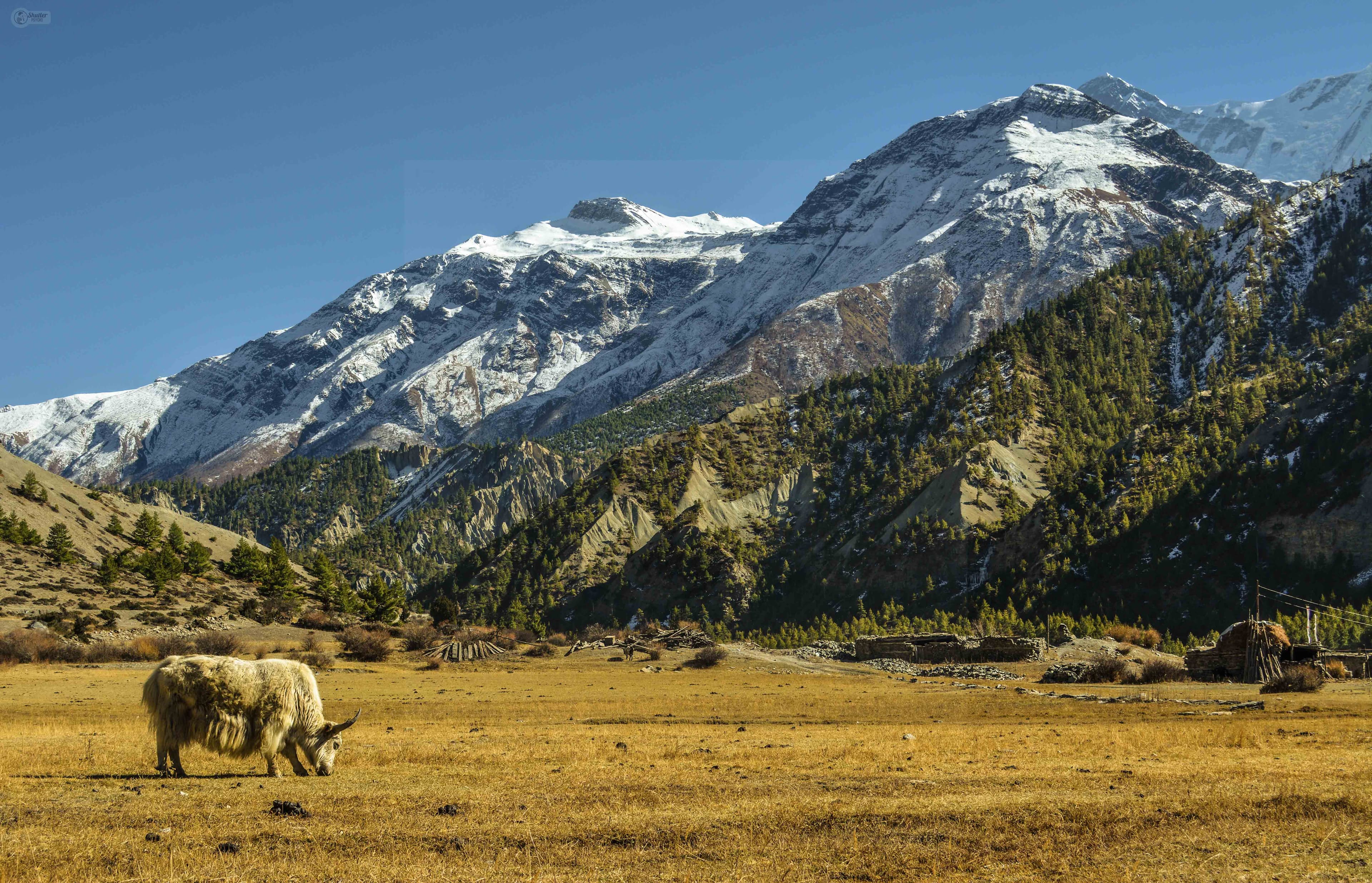
Nepal, the country of breathtaking Himalayas, rich traditions, and varied geographical features, is comprised of seven provinces that promise an altogether new experience for the adventurous tourist. From the snow-capped Himalayas to the fertile plains, let's start our journey to explore the attractive tourist spots in each of Nepal's vibrant provinces.

Province No. 1: The Gateway to Everest and Eastern Wonders Province No. 1, located in the easternmost corner of Nepal, is a trekker's haven and boasts the highest peak in the world. Mount Everest and the Everest Region: No visit to Province No. 1 is complete without paying homage to the majestic Mount Everest. While climbing to the top is reserved for the best mountaineers, the Everest Base Camp Trek is an experience of a lifetime, passing through Sherpa villages, historic monasteries, and breathtaking glaciers. The Sagarmatha National Park, a UNESCO World Heritage Site, safeguards this delicate environment. Kanchenjunga Conservation Area: For the more adventurous trekker, the Kanchenjunga region provides unspoiled natural habitats, rich flora and fauna, and breathtaking vistas of the third-highest peak in the world. Ilam: Ilam is called the "Queen of Hills" and is renowned for its tea gardens, natural beauty, and a cooler climate, making it an ideal destination.
Madhesh Province: The Heart of Terai Culture and History Madhesh Province, situated in the southern plains of Nepal, is a culturally diverse area with a distinct identity, heavily flavored with Hindu culture and the Maithili language.
Bagmati Province: The Cultural and Political Capital Bagmati Province is the most densely populated province, with the capital city, Kathmandu, and a plethora of UNESCO World Heritage Sites. Kathmandu Valley: The cultural hub of Nepal, the Kathmandu Valley is home to an astonishing number of historical sites. Kathmandu Durbar Square: An ancient royal palace complex that features Newari architecture, temples, and courtyards. Patan Durbar Square: Another beautiful Durbar Square, famous for its beautiful craftsmanship and ancient royal palaces. Bhaktapur Durbar Square: A medieval city that has been preserved in its ancient state, famous for its pottery, traditional arts, and ancient temples. Swayambhunath (Monkey Temple): A holy Buddhist stupa that provides breathtaking views of the Kathmandu Valley. Boudhanath Stupa: One of the largest stupas in Nepal, an important site for Tibetan Buddhist pilgrims. Pashupatinath Temple: A holy Hindu temple complex that is dedicated to Lord Shiva, situated on the banks of the Bagmati River. Nagarkot and Dhulikhel: These hill stations provide breathtaking views of the Himalayas, including Mount Everest on a clear day. Langtang National Park: A favorite trekking spot, which provides varied landscapes, ranging from subtropical forests to alpine meadows, and an opportunity to spot red pandas and Himalayan tahr. Bagmati Province is the most densely populated province, home to the capital city, Kathmandu, Boudhanath Stupa: One of the largest stupas in Nepal, a significant pilgrimage site for Tibetan Buddhists. Pashupatinath Temple: A sacred Hindu temple complex dedicated to Lord Shiva, located on the banks of the Bagmati River. Nagarkot and Dhulikhel: These hill stations offer stunning sunrise and sunset views of the Himalayas, including Mount Everest on clear days. Langtang National Park: A popular trekking destination, offering diverse landscapes, from subtropical forests to alpine meadows, and a chance to encounter red pandas and Himalayan tahr.
Gandaki Province: The Abode of Lakes and Mountains Gandaki Province: Renowned for its stunning mountain vistas, tranquil lakes, and adventure activities. Pokhara: The adventure hub of Nepal, Pokhara is nestled around the serene Phewa Lake, providing spectacular views of the Annapurna Range. Phewa Lake: Enjoy a leisurely cruise or paddleboard on the lake. Sarangkot: Renowned for its spectacular sunrises over the Himalayas and paragliding activities. World Peace Pagoda: Stunning stupa providing panoramic views of Pokhara Valley and the Annapurnas. Devi's Fall and Gupteshwor Cave: Natural wonders that display the fury of water and geological forces. Annapurna Region: The location of some of the most popular and famous trekking trails in the world, including Annapurna Base Camp and Annapurna Circuit. Manang and Mustang: The Trans-Himalayan regions offer a variety of landscapes and a glimpse into Tibetan culture. Manang: Renowned for its stunning semi-arid desert landscape. Mustang: The restricted area of Mustang is known for its stunning semi-arid desert landscape, ancient caves, and the Lo Manthang kingdom. Manang and Mustang: These Trans-Himalayan regions offer unique landscapes, ancient monasteries, and a glimpse into Tibetan culture. Upper Mustang, a restricted area, is known for its dramatic semi-arid desert, ancient caves, and unique Lo Manthang kingdom.
Lumbini Province: The Birthplace of Buddha Lumbini Province is of great religious importance as it is the birthplace of Siddhartha Gautama, Lord Buddha. Lumbini: A UNESCO World Heritage Site and a holy Buddhist pilgrimage site. Maya Devi Temple: The spot where Lord Buddha was born. Ashoka Pillar: Constructed by Emperor Ashoka in 249 BC to commemorate his visit to Lumbini. Various Monastic Zones: Buddhist temples and monasteries of various Buddhist sects from across the world have been established by international Buddhist organizations. Tilaurakot: The ancient Kapilvastu, where Lord Buddha grew up as Prince Siddhartha. Bardiya National Park: One of the largest national parks in the Terai region, providing excellent game viewing opportunities for Bengal tigers, rhinos, and elephants.
Karnali Province: The Untamed Wilderness Karnali is Nepal’s biggest and remotest province. It is a "raw" travel experience for those seeking the off-the-beaten-path. It is a land of deep blue lakes, high-altitude deserts, and ancient history of the Nepali language. Rara Lake: The "Queen of Lakes" is Nepal's biggest lake. It is located at nearly 3,000 meters in the Mugu district. The lake is surrounded by snow-capped mountains and thick pine forests. Shey Phoksundo National Park: The deepest lake in Nepal is located in this national park. Phoksundo is known for its surreal aquamarine color and the absence of aquatic life. It is a spiritual center for the Bon and Buddhist communities. Sinja Valley: It is a UNESCO tentative site. It is the birthplace of the Khas Bhasa language, the ancestor of the Nepali language. It is a "living museum" of history with ancient stone temples. The Karnali River: It is Nepal’s longest river. It offers world-class rafting and fishing for Golden Mahseer
Sudurpashchim Province: The Far-Western Frontier Sudurpashchim (Far-West) remains one of the best-kept secrets of Nepal. It is a land of extensive grasslands, distinct cultural dances such as Deuda, and holy highlands. Khaptad National Park: Known as the "Living Garden," this highland is a mosaic of 22 undulating green pastures and dense forests. It was the residence of the late hermit Khaptad Baba and still a prime spiritual and trekking spot. Shuklaphanta National Park: Situated in the Terai, this park is known to harbor the largest population of swamp deer (Barasingha) in the world. It is relatively less crowded than Chitwan, providing a more private wildlife safari experience. Api Nampa Conservation Area: Named after the twin summits of Mt. Api and Mt. Nampa, this conservation area in the Darchula district is one of the most unspoiled and unexplored trekking areas in the Himalayas. Ghodaghodi Lake: This Ramsar-protected wetland in Kailali is a birdwatcher’s haven and a deeply revered holy site for the native Tharu community, with its "finger-shaped" lake system.
Related articles
The Strategic Paradox of Visit Nepal Years: An Evaluation of Periodic Tourism Campaigns
Nepal World View: How Nepal Presents it self to the world