Nepal World View: How Nepal Presents it self to the world
Nepal’s Portrayal of Its International Image: History, Geopolitics, and Diplomatic Identity
Introduction
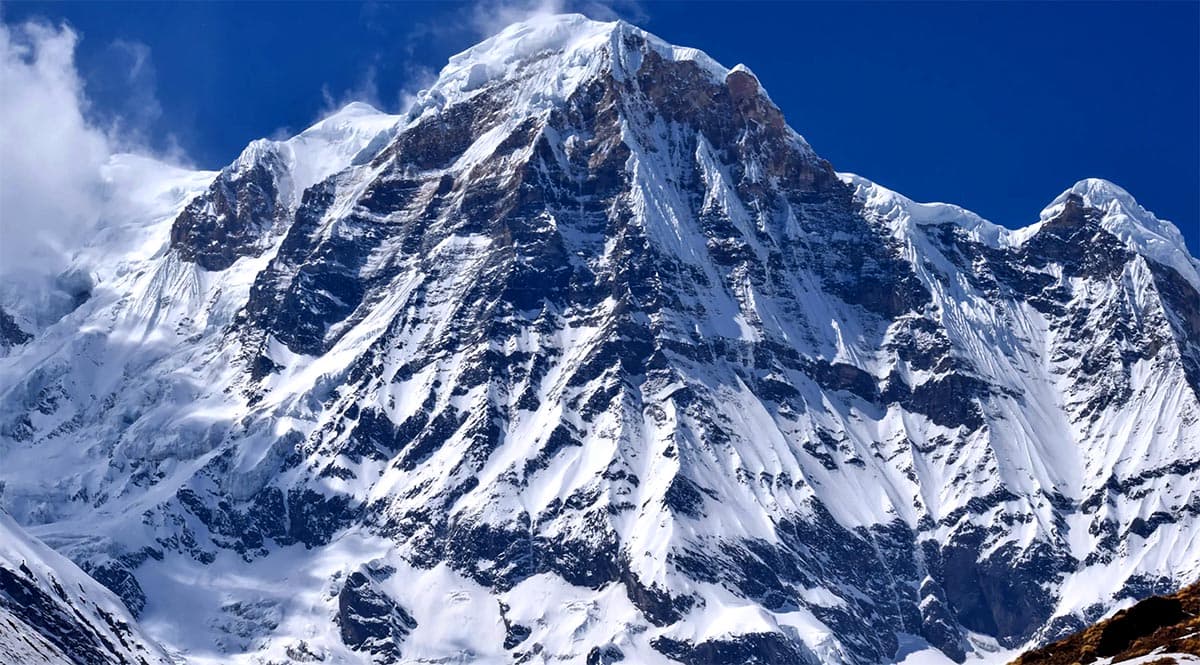
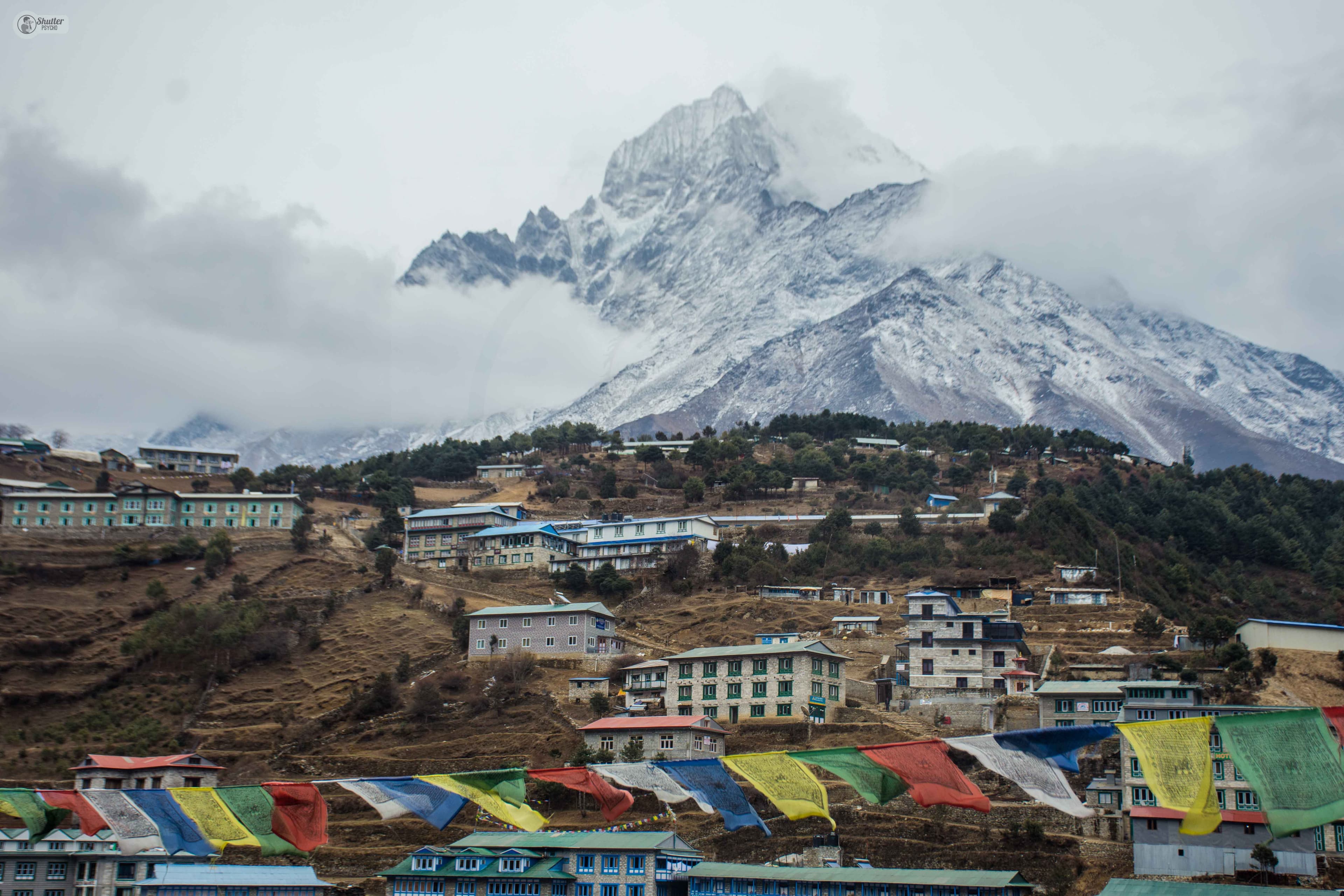
Nepal’s international image has long been shaped by a narrow set of symbols: the Himalayas, Mount Everest, the birthplace of Lord Buddha, and the valor of the Gurkhas. While these elements remain central to Nepal’s global recognition, they offer only a partial understanding of the country’s evolving identity in international affairs. Nepal’s portrayal on the global stage is better understood as the outcome of a complex interaction between geography, history, diplomacy, domestic political change, and strategic self-presentation.
This blog revisits Nepal’s international image through an academic lens, examining how historical experiences, Cold War neutrality, geopolitical constraints, cultural diplomacy, and peacekeeping engagements have contributed to the country’s standing in global politics. It argues that Nepal’s image is not static or symbolic alone, but a strategic construct closely tied to national interests, sovereignty, and survival as a small state located between two rising powers.
Geography, History, and the Foundations of National Identity
Nepal’s geography has been central to the formation of its national identity and external perception. The country’s rugged terrain—ranging from the Tarai plains to the Himalayan peaks—has historically served both as a protective shield and a defining feature of Nepali resilience. The difficult landscape fostered guerrilla warfare capabilities that enabled the Gorkhali forces to repel external threats, including British expansion in South Asia.
Unlike many neighboring states, Nepal retained its sovereignty during the colonial era. This historical independence became a cornerstone of national pride and later influenced its diplomatic posture. The Anglo-Gorkha War (1814–1816), often framed as a military defeat, nonetheless reinforced Nepal’s distinct political identity by preventing colonization and establishing fixed territorial boundaries. These early encounters with imperial powers shaped Nepal’s cautious approach to external relations and its emphasis on autonomy.
Political Transformation and Domestic Challenges
Nepal’s modern political history has been marked by profound transformations that have directly influenced its international image. The restoration of multiparty democracy in 1990, the Maoist insurgency beginning in 1996, the abolition of the monarchy in 2008, and the adoption of a federal republican constitution in 2015 represent major turning points in state restructuring.
While these changes enhanced Nepal’s democratic credentials, they also exposed internal weaknesses, including governance challenges, political instability, and socio-economic inequality. Issues such as corruption, weak institutions, and uneven development continue to affect how Nepal is perceived externally. High-profile scandals, such as the Bhutanese refugee fraud case, have further complicated Nepal’s image by raising concerns about credibility, accountability, and institutional integrity.
Thus, Nepal’s international portrayal is inseparable from its domestic performance. Diplomatic narratives emphasizing democracy and inclusion must contend with persistent structural challenges at home.
Geopolitical Complexity: Between China and India
Nepal’s location between China and India remains the single most significant factor shaping its foreign policy and global image. As a landlocked country situated between two major powers, Nepal faces what scholars describe as a classic “small state dilemma.” Its strategic environment requires constant balancing to avoid excessive dependence on either neighbor.
Historically, Nepal adopted policies of isolationism and later non-alignment to safeguard sovereignty. During the Cold War, this approach evolved into a policy of equidistance from competing powers. In the contemporary era, however, growing Sino-Indian rivalry has increased pressure on Nepal’s diplomatic choices. Infrastructure projects, development assistance, and security cooperation have become arenas of geopolitical competition, as illustrated by controversies surrounding initiatives such as the Millennium Challenge Corporation (MCC).
Nepal’s challenge lies in leveraging its strategic location as an opportunity rather than a vulnerability. While competition between China and India can generate economic and developmental prospects, it also demands diplomatic skill, national consensus, and policy coherence to prevent external interference in domestic affairs.
Cold War Neutrality and the “Zone of Peace” Legacy
Nepal’s international image as a peaceful and non-aligned state was significantly shaped during the Cold War. By aligning with the principles of the Non-Aligned Movement, Nepal maintained diplomatic relations with both Western and socialist blocs while avoiding formal military alliances.
A defining moment in this period was King Mahendra’s proposal of Nepal as a “Zone of Peace” at the United Nations. Although the proposal did not materialize fully, it reinforced Nepal’s identity as a neutral actor committed to peace, disarmament, and international stability. This legacy continues to inform Nepal’s diplomatic rhetoric and external engagements.
For a small state with limited material power, neutrality functioned not as passivity but as an active diplomatic strategy. It allowed Nepal to assert moral authority, maintain autonomy, and cultivate goodwill in international forums.
Self-Presentation and Soft Power Diplomacy
Nepal’s international image is shaped not only by geopolitics but also by deliberate efforts at self-presentation. Tourism, culture, heritage, and humanitarian engagement play a central role in projecting a positive national identity.
The country’s rich cultural diversity—home to more than 120 ethnic groups and multiple religious traditions—supports an image of pluralism and coexistence. World heritage sites in the Kathmandu Valley, sacred spaces such as Lumbini and Pashupatinath, and the symbolism of the Himalayas contribute to Nepal’s soft power appeal.
Tourism diplomacy emphasizes sustainability, environmental consciousness, and cultural authenticity. At the same time, Nepal’s responses to natural disasters, particularly the 2015 earthquake, highlighted resilience and international cooperation, reinforcing its image as a responsible global actor.
However, soft power gains remain fragile if not supported by consistent governance, transparency, and economic progress.
Nepal and United Nations Peacekeeping
One of the most significant contributors to Nepal’s positive international image is its long-standing participation in United Nations peacekeeping operations. Since joining the UN in 1955, Nepal has emerged as one of the largest troop-contributing countries, deploying more than 150,000 personnel across multiple missions.
Peacekeeping has served multiple objectives. It has strengthened Nepal’s diplomatic profile, generated international goodwill, and reinforced its identity as a peace-loving nation. Participation in peace operations has also supported Nepal’s claims to moral legitimacy in international politics and contributed to its election as a non-permanent member of the UN Security Council on two occasions.
Importantly, Nepal has emphasized professionalism, discipline, and zero tolerance for misconduct among its peacekeepers, aligning its contributions with evolving UN norms. Peacekeeping thus remains a central pillar of Nepal’s internationalist image and foreign policy strategy.
Cultural Worldview and National Identity
Nepal’s worldview is deeply influenced by the coexistence of Hinduism and Buddhism, fostering values of tolerance, spirituality, and respect for nature. The Himalayas are not only geographical landmarks but sacred symbols shaping environmental consciousness and national imagination.
At the same time, debates over nationalism, secularism, and identity have intensified in the post-monarchy era. The decline of the monarchy, once seen as a unifying symbol, has opened space for competing narratives of ethnic, cultural, and civic nationalism. These internal debates influence how Nepal defines itself internationally and how it is perceived abroad.
Managing diversity while promoting a cohesive national identity remains an ongoing challenge with implications for both domestic stability and external credibility.
The Way Ahead: Development Diplomacy and Image Management
Nepal’s future international image will depend on its ability to align diplomatic narratives with tangible outcomes. While poverty has declined significantly over recent decades, Nepal remains the poorest country in Asia by several indicators. Accelerating development, improving governance, and enhancing institutional capacity are essential for sustaining credibility.
A key strategic priority is “development diplomacy,” which seeks to integrate foreign policy with economic transformation. Stable governance, policy consistency, and national consensus on foreign relations are critical in this regard. As Asia emerges as the center of global economic activity, Nepal’s proximity to China and India offers both risks and opportunities.
Effective image management requires moving beyond stereotypes and symbolic representations toward a balanced portrayal that reflects Nepal’s aspirations, challenges, and contributions to global peace and cooperation.
Conclusion
Nepal’s international image is the product of history, geography, diplomacy, and conscious self-representation. It combines narratives of independence, neutrality, cultural richness, and peacekeeping with ongoing struggles related to development, governance, and geopolitical pressure.
For Nepal, image is not merely reputational—it is strategic. How the country is perceived affects its diplomatic space, economic prospects, and ability to safeguard sovereignty. A coherent and honest portrayal, grounded in national interests and supported by domestic reform, will be essential as Nepal navigates an increasingly complex global landscape.
Ultimately, Nepal’s challenge is not only to project a positive image but to ensure that this image reflects lived realities and future ambitions, enabling the country to engage the world with confidence and credibility.Start writing…
Related articles
Discover Nepal: A Province-by-Province Guide to Unforgettable Attractions
The Strategic Paradox of Visit Nepal Years: An Evaluation of Periodic Tourism Campaigns